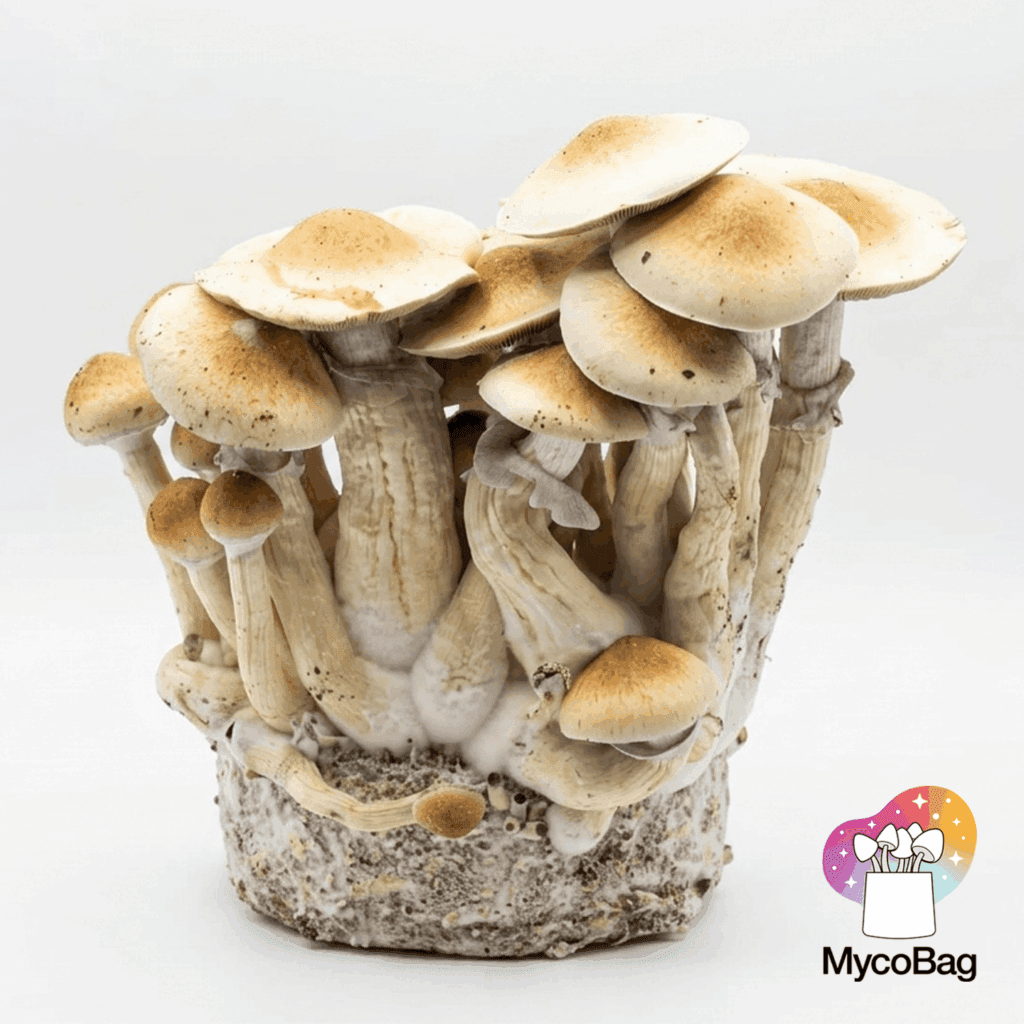
El término «monguis» es, sin duda, una de las expresiones más populares y coloquiales en España para referirse a las setas del género Psilocybe. Sin embargo, tras este nombre popular tradicional se esconde un fascinante universo biológico y científico que está revolucionando por completo la micología moderna, la neurociencia y el estudio clínico de la conciencia humana.
Tanto si te mueve la pura curiosidad científica, el interés por la taxonomía de los hongos o la tendencia en auge de la microdosificación de psilocibina para mejorar el rendimiento cognitivo, comprender qué son los monguis, cómo actúan a nivel químico y qué dice la ciencia actual al respecto es el primer paso imprescindible para adentrarse en este campo de forma segura y profesional.
Normalización profesional en el ámbito de la micología
Una investigación rigurosa exige una precisión bioquímica absoluta. Si deseas analizar el desarrollo de las muestras sin la inestabilidad que supone la recolección en la naturaleza, descubre nuestras soluciones avanzadas en la tienda oficial de MycoBag.
1. Origen del término y definición biológica: ¿Qué son exactamente los monguis?
Bajo el término coloquial «monguis» se agrupan varias especies de setas. Sin embargo, en el ámbito de la micología experimental y los estudios clínicos, nos referimos principalmente a dos especies clave de setas del género Psilocybe:
- Psilocybe semilanceata (conocida popularmente como «sombrero de la libertad»): Se trata de un hongo pequeño, frágil y delgado que crece de forma silvestre en praderas húmedas y zonas ricas en materia orgánica en descomposición por toda Europa (siendo especialmente común en las regiones del norte de España durante el otoño). Se identifica visualmente por su característico sombrero en forma de campana que culmina en una protuberancia o papila prominente en la parte superior.
- Psilocybe cubensis: Se trata de la especie más famosa, robusta y estudiada a nivel internacional. Su morfología le permite generar cuerpos fructíferos mucho más grandes y una mayor biomasa. Gracias a su viabilidad, resistencia ambiental y fiabilidad, constituye la base de la genética más utilizada en laboratorios y estudios micológicos de todo el mundo.
Una de las características taxonómicas más distintivas y fascinantes de estos monguis es el proceso conocido como «hematoma». Se trata de una reacción química de oxidación inmediata que se produce cuando el tejido celular del hongo se daña o se manipula, tiñendo el tallo o el sombrero de un intenso color azul índigo. Este rápido cambio de color es un indicador visual directo de la presencia de alcaloides activos en el ejemplar.
2. La ciencia de la psilocibina: de Albert Hofmann a la neuroplasticidad
El interés científico por los monguis tiene profundas raíces históricas. En 1958, el reconocido químico suizo Albert Hofmann (famoso por sintetizar el LSD) logró aislar por primera vez los principales componentes activos de estos hongos: la psilocibina y su derivado altamente inestable, la psilocina.
Desde el punto de vista neurológico, el mecanismo de acción de estos compuestos es extraordinario. Poseen una estructura molecular biológicamente homóloga a la serotonina humana. Esta similitud estructural les permite unirse directamente y con gran afinidad a los receptores 5-HT2A de la corteza cerebral. Al hacerlo, modulan temporalmente el funcionamiento de la red por defecto (DMN), el sistema cerebral estrechamente relacionado con el ego, la rumiación mental y la hiperreflexión.
Los ensayos clínicos contemporáneos de fase II y III llevados a cabo por instituciones de primer orden sugieren que esta interacción induce estados de elevada neuroplasticidad. En términos sencillos, permite que áreas del cerebro que normalmente no se comunican entre sí establezcan conexiones neuronales completamente nuevas, lo que abre vías terapéuticas revolucionarias para el tratamiento de la depresión resistente al tratamiento y la ansiedad grave, así como para mejorar la flexibilidad cognitiva.
3. Microdosificación de psilocibina y monguis: rendimiento, creatividad y concentración
Más allá de las dosis macroscópicas que se utilizan en entornos clínicos y asistidos, una de las principales razones por las que el interés mundial por los monguis se ha disparado de forma exponencial es la práctica de la microdosificación de psilocibina.
Esta práctica consiste en la administración programada de dosis de psilocibina estrictamente subperceptivas (que suelen oscilar entre 0,1 g y 0,3 g de material fúngico seco). Dado que la cantidad es tan mínima, la microdosificación de psilocibina no altera la percepción visual, no provoca alucinaciones y no interfiere en el trabajo diario ni en la rutina social de la persona.
Siguiendo protocolos estructurados diseñados por expertos, los investigadores han documentado los siguientes beneficios mediante estudios basados en la información facilitada por los propios participantes y un seguimiento a largo plazo:
- El Protocolo Fadiman (1 día de tratamiento, 2 días de descanso): Diseñado específicamente para evitar la rápida aparición de tolerancia en los receptores cerebrales. Los usuarios señalan sistemáticamente una notable mejora en el pensamiento divergente, la optimización de la capacidad para resolver problemas complejos y un aumento de la creatividad en general.
- La combinación de Stamets: Este método combina la microdosis con el hongo melena de león y la niacina (vitamina B3). Este enfoque específico tiene como objetivo maximizar la neurogénesis y favorecer la expresión del factor neurotrófico derivado del cerebro (BDNF), mejorando la memoria a largo plazo y reparando el tejido nervioso.
- Regulación emocional profunda: Los estudios demuestran una reducción estadísticamente significativa de los niveles subclínicos de estrés diario, fatiga mental y síntomas de ansiedad social.
4. El reto del cultivo: por qué la investigación real exige entornos estériles
Aunque en la naturaleza se pueden encontrar setas silvestres como la Psilocybe semilanceata, su recolección plantea riesgos inaceptables para la investigación seria: desde la peligrosa confusión con especies altamente tóxicas (como la Galerina marginata) hasta la fluctuación caótica e impredecible de la concentración de alcaloides de una seta a otra.
Para obtener resultados reproducibles, medir las dosis con una precisión milimétrica absoluta y llevar a cabo estudios viables, la micología moderna se basa exclusivamente en el cultivo en interior mediante sistemas estériles. Sin embargo, los métodos tradicionales caseros (como los recipientes de plástico abiertos o los «monotubos») suelen presentar una tasa de fracaso superior al 50 % entre los principiantes, debido a la fuerte contaminación por hongos competidores, especialmente el devastador moho verde (Trichoderma).
Para resolver de forma definitiva este grave obstáculo en la investigación micológica, en MycoBag hemos diseñado sistemas de cultivo 100 % herméticos que se esterilizan en autoclaves de grado médico. Estos ecosistemas cerrados eliminan por completo los vectores de contaminación externa, lo que garantiza el desarrollo óptimo del micelio y permite a los investigadores centrarse por completo en la observación, en lugar de en la esterilización constante.
Genética de élite para la consistencia bioquímica
Gracias a nuestra rigurosa colaboración científica con Full Canopy Genetics, ofrecemos cepas estabilizadas que garantizan un perfil biológico altamente predecible, lo cual es fundamental para mantener la estandarización en cualquier estudio relacionado con los hongos monguis y psilocybe:
- Albino Jedi Mind Fuck: una mutación albina legendaria en el sector, muy apreciada por su rápida y agresiva colonización del sustrato y su excepcional consistencia bioquímica. Es ideal para estudios prolongados que requieran estabilidad fenotípica.
- Tidal Wave Ape: un híbrido avanzado que destaca por su enorme densidad biológica y su esporulación extremadamente baja. Es perfecto para estudios que requieren una concentración muy alta de triptaminas en volúmenes de biomasa muy reducidos.
- Cascadian Teacher: Una cepa clásica, noble y extremadamente resistente que soporta con gran fortaleza las variaciones de temperatura. Se considera ampliamente como el referente de referencia para establecer puntos de comparación en la investigación micológica moderna.
- Whitebilly: Una fascinante variante leucística que destaca por su morfología totalmente única, ya que produce tallos gruesos y densos y ofrece un rendimiento de biomasa global increíblemente abundante.
5. Preguntas frecuentes sobre Monguis (FAQ)
¿Es legal investigar a los monguis en España?
En España, el cultivo privado en espacios cerrados destinado exclusivamente al estudio micológico personal, la observación microscópica y el uso no comercial se encuentra en una zona gris legal despenalizada. Sin embargo, la venta de cuerpos fructíferos para el consumo está estrictamente prohibida. La normativa legal varía considerablemente entre los distintos países europeos, por lo que siempre es muy recomendable consultar la legislación local vigente antes de iniciar cualquier proyecto con monguis.
¿Cuál es la diferencia fundamental entre los monguis y las trufas mágicas?
El término «monguis» se refiere al cuerpo fructífero aéreo visible de la seta (la seta en sí misma), que emerge cuando las condiciones de humedad y temperatura son las idóneas. Por el contrario, las trufas (denominadas técnicamente «esclerotios») son masas densas de micelio compactado que crecen bajo tierra. Actúan como reserva de nutrientes para que el hongo sobreviva a las sequías o a los inviernos rigurosos. Ambas estructuras contienen compuestos activos, pero sus ciclos de desarrollo y sus métodos de recolección son totalmente diferentes.
¿Por qué es fundamental la esterilización térmica en los estudios sobre setas?
Los sustratos ricos en cereales y los nutrientes necesarios para el desarrollo robusto de las setas son también el alimento perfecto para millones de bacterias y esporas de moho presentes en el ambiente que flotan en el aire de cualquier hogar convencional. Si el entorno de cultivo no se esteriliza adecuadamente a alta presión y temperatura, estos contaminantes agresivos crecerán mucho más rápido que el hongo objeto de estudio, arruinando el proyecto. De ahí la importancia fundamental de utilizar bolsas herméticas «Plug & Play» preesterilizadas.
Lleva tu investigación al siguiente nivel tecnológico
El estudio exhaustivo de los hongos del género Psilocybe abre una ventana directa al futuro inmediato de la neurociencia moderna, la psiquiatría y la micología aplicada. Para garantizar un análisis seguro, limpio y totalmente libre de contaminantes, es fundamental abandonar los métodos caseros obsoletos y recurrir a herramientas que ofrezcan un verdadero nivel profesional y de calidad de laboratorio.
¿Tienes alguna duda sobre qué formato de sustrato o cepa genética se adapta mejor a los parámetros ambientales y térmicos específicos de tu espacio de estudio? Nuestro equipo técnico especializado está a tu entera disposición para asesorarte paso a paso a lo largo de tu proyecto.
¿Quieres dominar los secretos de la micología avanzada?
Suscríbete al boletín de Mycobag. Recibirás directamente en tu bandeja de entrada guías técnicas exclusivas, protocolos probados para la prevención de la contaminación, consejos para la incubación y las últimas novedades científicas, para que puedas aprender más sobre los monguis y el cultivo especializado.

 ¡Rebajas!
 ¡Rebajas!