When studying the history of magic mushrooms, we uncover a fascinating timeline that spans more than 9,000 years. From ancient archaeological evidence found in the African Sahara to the highly controlled, sterile environments of modern mycological research, hallucinogenic fungi have profoundly impacted human consciousness, spirituality, and medicine.
1. Hallucinogenic Mushrooms in Antiquity: Origins and Spiritual Uses
In Mesoamerica, ancient civilizations such as the Olmecs, Mayans, and Aztecs considered these mushrooms as portals to the spiritual world. The Aztecs called them teonanácatl, meaning “flesh of the gods” in Nahuatl. These mushrooms were consumed during religious rituals to communicate with deities, seek spiritual guidance, and obtain prophetic visions. Priests and shamans interpreted these psychedelic experiences for the benefit of the community.
Globally, the ancient Greek Mysteries of Eleusis involved initiation rituals that may have utilized hallucinogenic potions. Similarly, rock paintings in Tassili n’Ajjer, Algeria, depict human figures with mushrooms, suggesting profound shamanic practices in Africa aimed at accessing higher knowledge.
2. Shamanic Rituals: Practices in the Americas and Siberia
Shamans have acted as intermediaries between the physical and spiritual worlds for centuries. In the Americas, the Mazatec people integrated psilocybe mushrooms into ceremonies for healing and diagnosing illnesses. María Sabina, a 20th-century Mazatec healer, famously shared her veladas (rituals combining sacred chants and mushroom consumption) with the Western world.
In contrast, Siberian nomadic tribes like the Evenki and Koryak used Amanita muscaria. Shamans consumed this distinctly different hallucinogenic mushroom to enter trances and communicate with nature spirits, guiding crucial decisions regarding hunting and migration.
3. The 20th Century Resurgence: Wasson and the Counterculture
In the 1950s, banker and mycologist R. Gordon Wasson traveled to Mexico to participate in a ceremony with María Sabina. His experience, published in Life magazine in 1957, sparked massive Western interest. This coincided with the 1960s countercultural movement, where figures like Timothy Leary promoted psychedelics for expanding consciousness. However, this massive surge in popularity led to swift governmental backlash and widespread criminalization.
4. Modern Uses and Clinical Research Breakthroughs
Despite legal hurdles, the last two decades have witnessed a scientific renaissance. Studies conducted at prestigious institutions, documented by organizations like the National Institutes of Health (NIH) and Johns Hopkins University, highlight the therapeutic potential of these fungi in treating:
- Treatment-resistant depression
- Anxiety associated with terminal illnesses
- Post-traumatic stress disorder (PTSD)
- Severe substance addictions
Simultaneously, movements to decriminalize hallucinogenic mushrooms are taking place in U.S. cities like Denver and Oakland, reflecting a massive shift in public perception.
5. The Future of Mycology: Standardized Cultivation with MycoBag
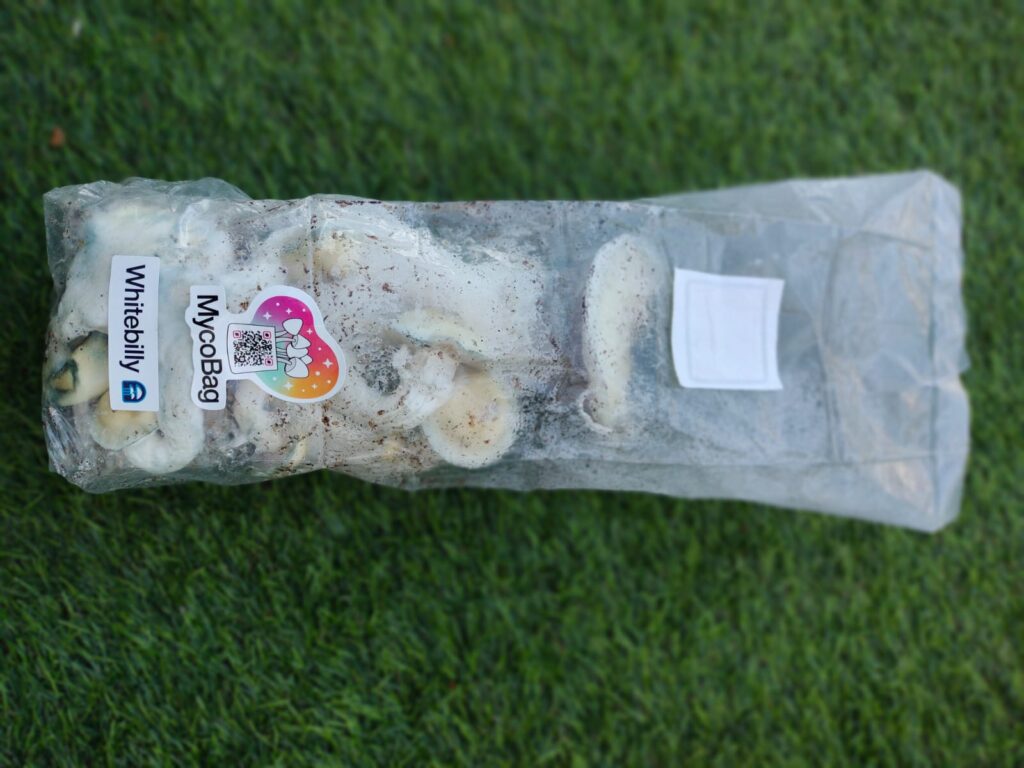
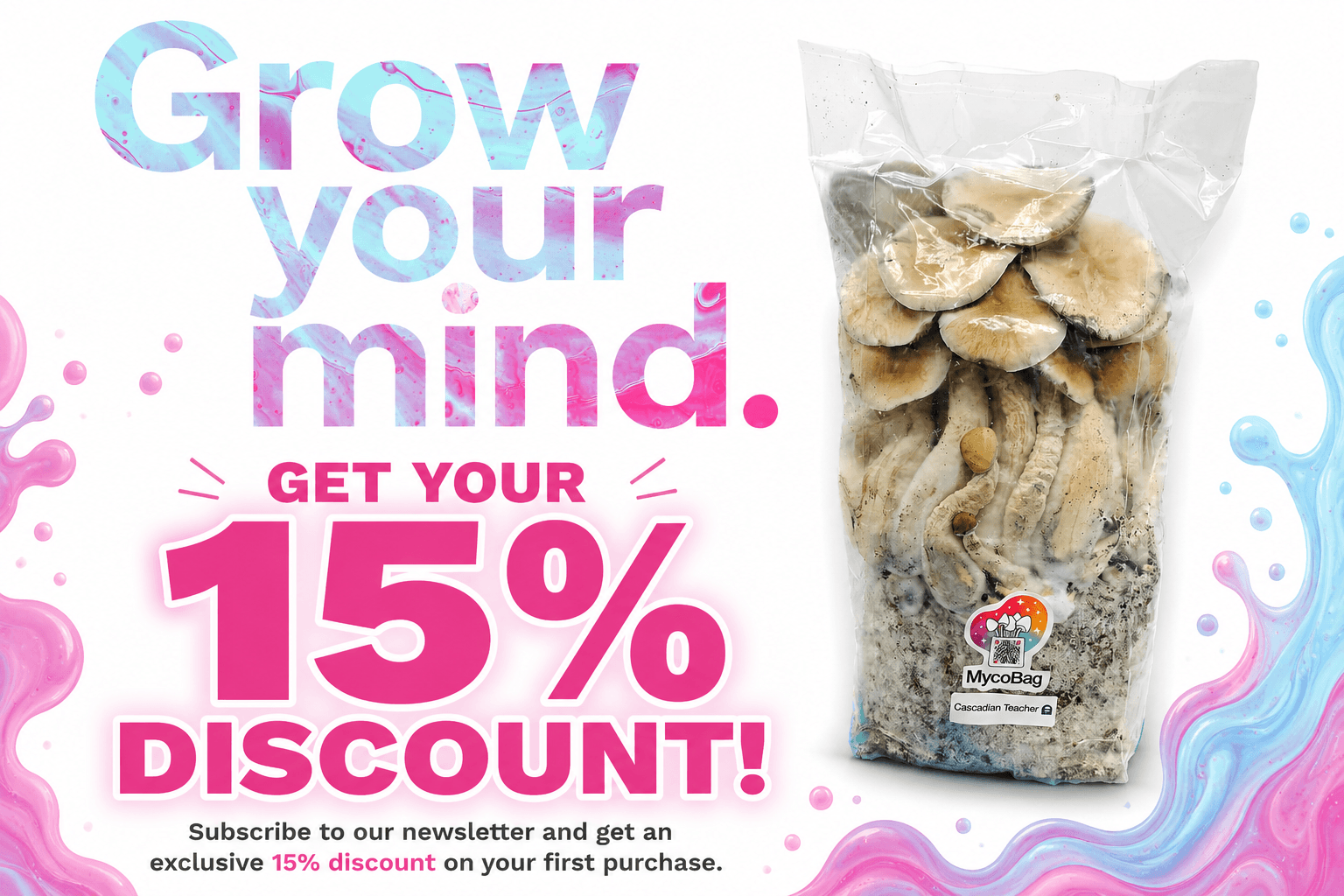
To safely continue this historical legacy through modern scientific research, consistency is key. Traditional container cultivation requires opening the lid, exposing the interior to environmental bacteria and molds . Modern researchers are turning to standardized solutions like the MycoBag, which eliminates this problem with a sterile and completely closed design that drastically reduces the margin of error .
With an exclusive “Plug and Play” system, the user does not have to inoculate, water, or manipulate the bag . The culture arrives ready to fruit and remains sealed until harvest time, backed by elite genetics from Full Canopy Genetics . To fit various research scales, two formats are available:
- MiniMycoBag (700 ml. / 400gr.): Perfect for beginners or classrooms with limited space , offering constant dry harvests close to 10% of their fresh weight .
- MycoBag (2.000 ml. / 1.500gr.): A larger scale system that easily overcomes the barrier of 400 to 600 g of fresh mushrooms .
Strains like the Cascadian Teacher and the colossal Tidal Wave Ape ensure that modern studies are backed by stable, predictable genetics .
Conclusion
The history of magic mushrooms is a testament to humanity’s enduring quest to understand consciousness and healing. Today, education, respect for ancient traditions, and advanced mycology tools like the MycoTest ensure that ongoing research is conducted safely, ethically, and precisely.

 Sale!
Sale! Sale!
Sale!