For decades, learning how to make and fruit mushroom cakes (often referred to as the PF Tek method) was the standard entry point for amateur mycologists. While it is a classic technique, the science of mycology has evolved dramatically.
If you are researching the best ways to cultivate fungi at home, understanding how mushroom cakes work, what materials they require, and why modern researchers are abandoning this method for advanced all-in-one systems is crucial for your success.
Upgrade Your Cultivation Method
Tired of contamination and low yields from traditional mushroom cakes? Experience massive canopies with our 100% sterile Plug & Play grow bags, powered by elite genetics.
What Exactly Are Mushroom Cakes?
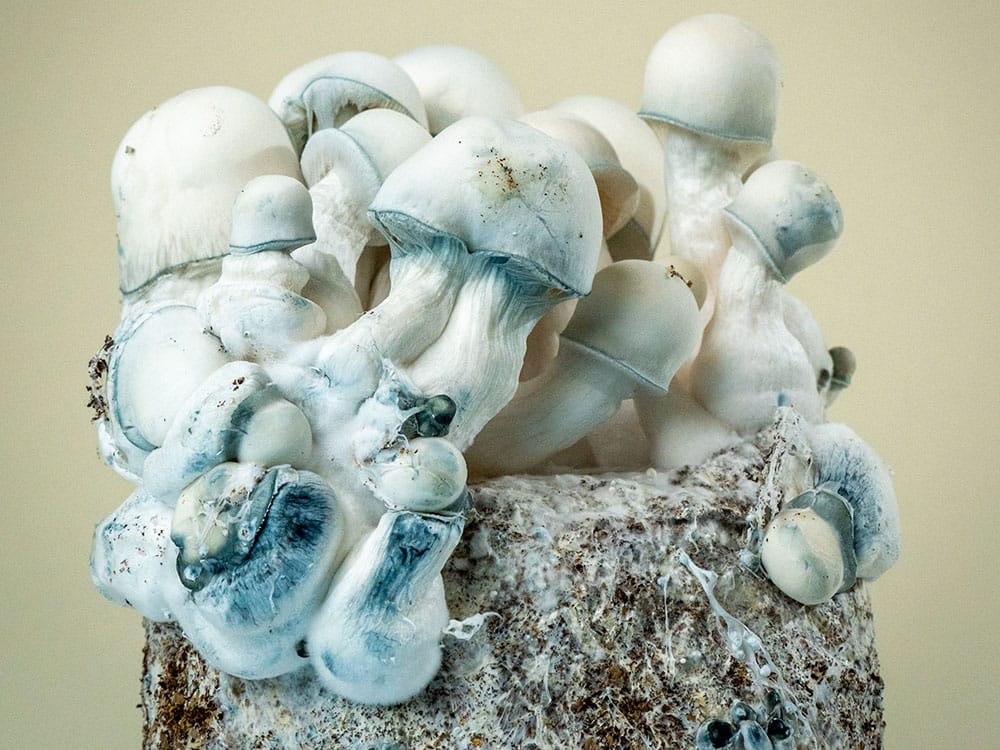
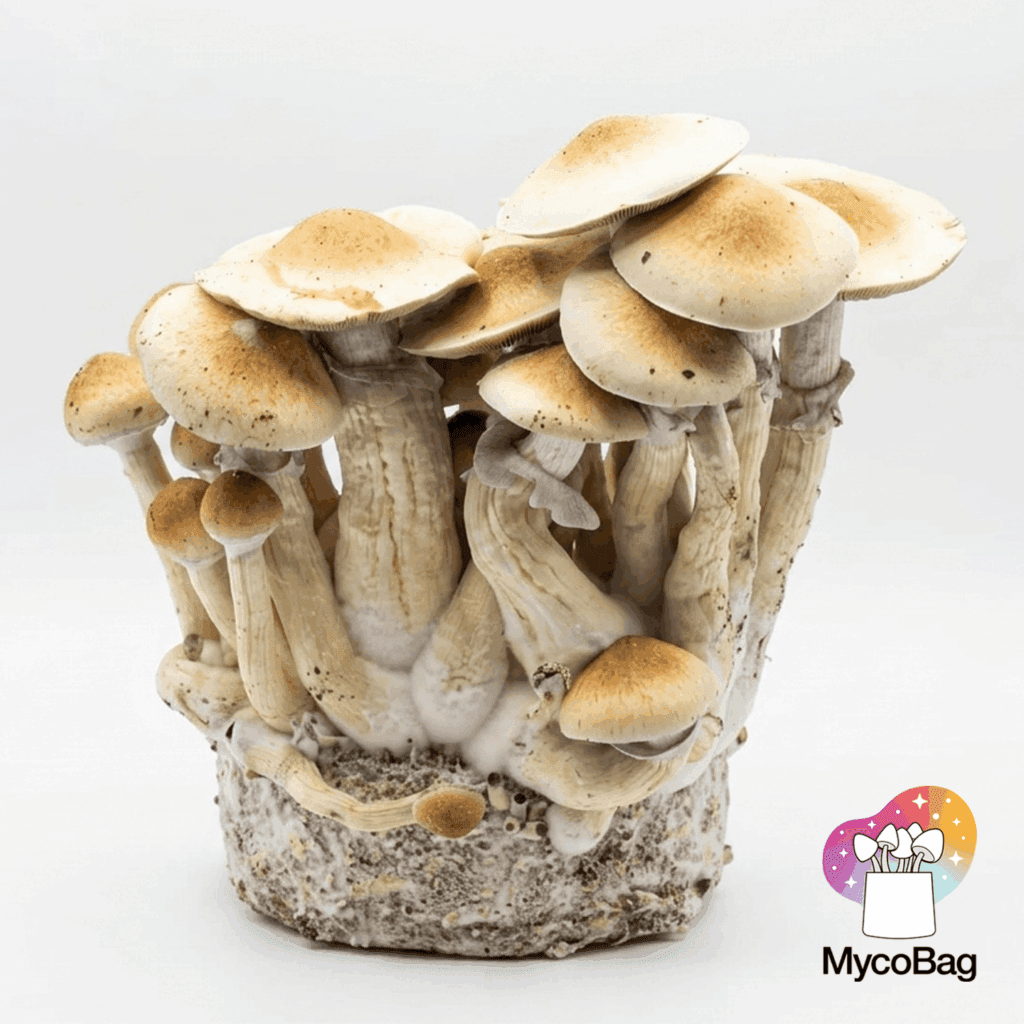
A mushroom cake is essentially a consolidated block of sterilized substrate that has been fully colonized by mushroom mycelium. In traditional methods, growers mix brown rice flour, vermiculite, and water in small glass jars, sterilize them, and inoculate them with spores.
Once the mycelium consumes the nutrients, it binds the mixture together into a solid “cake.” These mushroom cakes are then removed from the jars and placed into a Shotgun Fruiting Chamber (SGFC)—a plastic tub with holes—to retain high humidity and trigger the fruiting phase.
The Problem with Traditional Mushroom Cakes
While cultivating classic mushroom cakes is educational, it is deeply flawed for anyone looking for reliable, high-volume results. The main disadvantages include:
- High Contamination Risk: Transferring the exposed mushroom cakes from the jar to a fruiting chamber exposes them to millions of airborne mold spores, particularly the dreaded green Trichoderma.
- Low Yields: Standard jars hold a very small amount of substrate, meaning the biological efficiency and the final harvest weight are significantly restricted compared to modern setups.
- Constant Maintenance: Exposed mushroom cakes dry out quickly and require manual misting and fanning several times a day to maintain the correct microclimate.
What is the Best Substrate for Growing Mushrooms?
To move beyond the low yields of standard mushroom cakes, you must understand nutrition. The best substrate for growing mushrooms—particularly vigorous Psilocybe species—is a perfectly balanced mix of whole grains (such as rye, millet, or oats) for explosive colonization, mixed with a bulk substrate like coco coir and vermiculite for superior water retention.
However, hydrating and sterilizing this ultimate mix at home requires expensive pressure cookers and precise mathematical ratios. If the water content is off by just a few percentages, the substrate will stall or rot.
The Evolution: Leaving Mushroom Cakes Behind
Why spend weeks preparing jars and building fruiting chambers when technology has solved the problem? The modern equivalent—and absolute upgrade—to traditional mushroom cakes is the pre-sterilized all-in-one grow bag.
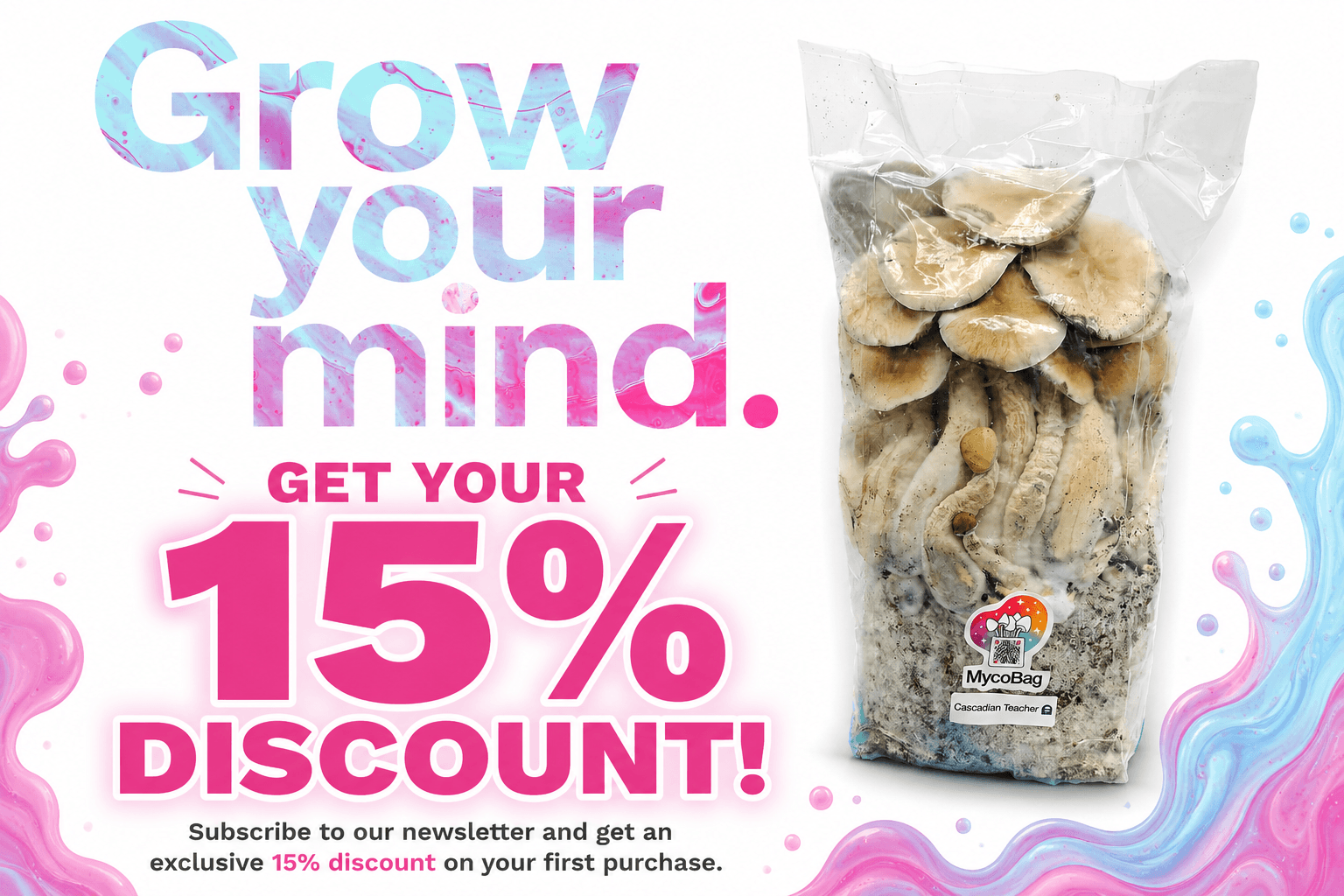
At MycoBag, our Plug & Play systems act as massive, high-yielding mushroom cakes that never leave their sterile environment. We use the absolute best substrate for growing mushrooms, hydrate it to the exact field capacity, and sterilize it in medical-grade autoclaves.
You never open the bag, you never mist it, and you never expose it to dirty ambient air. The bag acts as its own perfectly regulated fruiting chamber, delivering massive flushes from elite strains like the Albino Jedi Mind Fuck without the daily hassle of maintaining fragile mushroom cakes.
Frequently Asked Questions (FAQ)
How long do mushroom cakes take to fruit?
Traditional PF Tek mushroom cakes can take 4 to 6 weeks to fully colonize in a jar, and another 1 to 2 weeks to fruit once placed in a chamber. Modern all-in-one grow bags are often faster and yield significantly more biomass in a similar timeframe.
Can you reuse mushroom cakes?
Yes. After the first harvest (flush), you can rehydrate mushroom cakes by soaking them in sterile water for 12 to 24 hours to trigger a second or third flush, though subsequent yields will diminish as the nutrients are depleted.
Do I need a fruiting chamber for MycoBags?
No. Unlike traditional mushroom cakes that require a plastic tub to retain humidity, the MycoBag system is 100% self-contained. The microporous filter patch regulates gas exchange while trapping the exact humidity needed for fruiting internally.
Master Advanced Cultivation
Understanding the history of mycological techniques is important, but applying the best modern science is what guarantees success. By upgrading to laboratory-grade substrates and sealed environments, your mycological research will reach professional levels.
Upgrade Your Workflow Today
Ready to maximize your yields? Join the Mycobag newsletter. Receive exclusive guides on substrate science, sterile workflows, and access to our elite Full Canopy Genetics directly in your inbox.

 Sale!
Sale! Sale!
Sale!