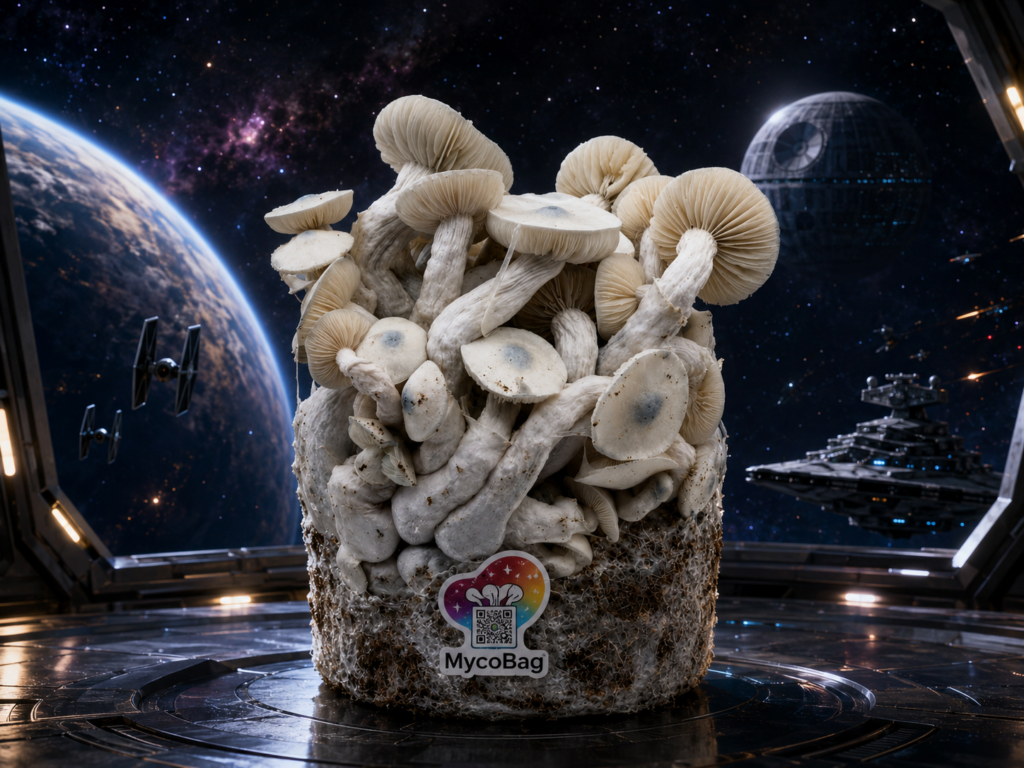
When a researcher first steps into the study of the fungal kingdom, it is easy to feel overwhelmed by the sheer volume of available technical information. Beginners often spend hours researching optimal moisture levels, lighting cycles, and genetic provenance. However, the undisputed pillar of any successful harvest boils down to one critical factor: selecting the proper substrate to fuel mycelial development.
The substrate acts as the nutritional engine and physical base of the fungal organism. Nevertheless, operational reality frequently clashes with an uncomfortable truth that many manuals omit: attempting to prepare and sterilize substrates at home in a conventional kitchen is the primary cause of failure among new cultivators. In this analysis, we will examine why traditional do-it-yourself methods represent a dead end and how utilizing professional pre-sterilized systems constitutes the ultimate key to consistent yields.
What exactly is a mycological substrate?
To understand the magnitude of the problem, it is essential to precisely define what a substrate is. In biological terms, it is any organic matrix that the mycelium can enzymatically digest to obtain energy, carbon, nitrogen, and water. Depending on the species under study, this medium can range from hardwood supplemented with soy bran, mixtures of coco coir and vermiculite, to select grains like rye and oats.
For a medium to meet viability requirements, it must guarantee three non-negotiable conditions:
- Balanced nutritional supply: a precise stoichiometric proportion that facilitates rapid cellular expansion.
- Ideal water retention: free water availability that prevents both mycelial desiccation and bacterial waterlogging.
- Structural porosity: a physical architecture that allows passive gas exchange without suffocating the fungal network.
The trap of homemade DIY and its critical flaws
With the objective of reducing initial costs, many hobbyists attempt to replicate industrial processes using domestic pressure cookers and modified plastic containers (monotub-style systems). Unfortunately, this approach routinely translates into a frustrating chain of biological losses.
The primary limitation stems from the impossibility of achieving absolute commercial sterility with domestic equipment. The ambient air is permanently saturated with bacterial endospores and propagules of aggressive molds, such as the Trichoderma genus. Given that a hydrated nutritious substrate is an irresistible biological feast, any minimal flaw in the sterilization process or manual opening of the container for ventilation will provoke a pathogenic invasion. The contaminant will vastly outpace the growth rate of the desired fungus, completely ruining the culture.
The hermetic alternative: The MycoBag standard
To eliminate the uncertainty of the home laboratory, mycological technology has evolved toward the implementation of completely enclosed environments. The system proposed by MycoBag brings medical-grade sterilization standards directly to the researcher, eliminating the need to handle substrates or risk cross-contamination.
Instead of relying on domestic autoclaves, substrates are processed through prolonged industrial high-pressure steam cycles, guaranteeing the destruction of any form of microbial resistance. Thanks to the hermetic sealing design and the incorporation of high-efficiency microporous filter membranes, the system autonomously regulates gas exchange and retains optimal moisture without requiring manual openings or subsequent watering.
Elite genetics to maximize substrate performance
Having a sterile and technically perfect substrate is an indispensable foundation, but the ultimate biological potential depends on the quality of the inoculated strain. To ensure predictable, high-density responses, the varieties integrated into our systems originate from advanced isolations by Full Canopy Genetics. Among the most stable lineages available for study in Europe stand out:
- Whitebilly: A genetics characterized by an extremely dense and compact architecture, capable of developing exceptionally fleshy stipes that optimize space within the cultivation block.
- Cascadian Teacher: The benchmark of stability and uniformity, producing abundant harvests with a very marked and predictable vertical development.
- Albino Jedi Mind Fuck: An isolate endowed with remarkable metabolic aggressiveness, ideal for reducing colonization times and obtaining pale, dense canopies.
- Tidal Wave Ape: The pinnacle of biochemical selection, generating heavy, short, and high-triptamine concentration specimens under controlled cultivation conditions.